Step 1:

Blood Sample

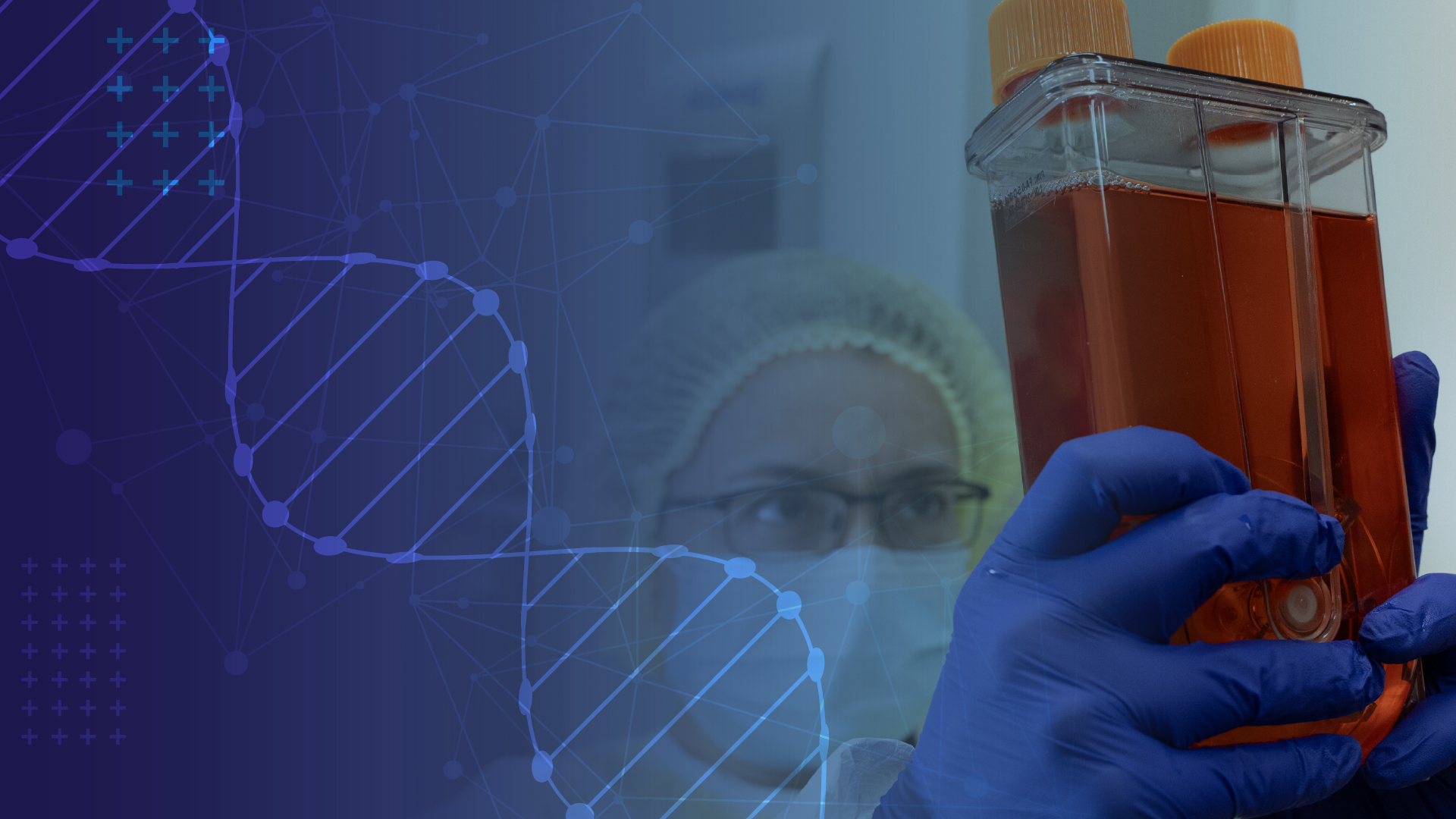
We take a simple blood sample from the patient.
Step 2:

Cell Regeneration

Using iPSC technology, we regenerate the patient’s own cells into insulin-producing islets.

Step 3:

Minimally Invasive Implantation

These cells are transplanted back into the patient in a one-time, minimally invasive procedure—no surgery required.

True Cure Potential

Unlike other cell therapies requiring lifelong anti-rejection drugs, our autologous approach uses the patient’s own cells. This means:

  • Reduced immunosuppression required—we’re not trading insulin for equally burdensome anti-rejection drugs

  • Ethically unencumbered—no embryonic stem cells, lowering institutional, faith-based, and geopolitical barriers

  • Rapid and minimally invasive—a one-time implantation without surgery

  • Built on 42 years of proven transplant data—this isn’t experimental; it’s the next logical evolution

Where We Are

In 2022, we successfully reversed diabetes in mouse models using human autologous stem cells—demonstrating feasibility, safety, and efficacy.

This isn’t theory. This is validated science with a clear path forward.
1

Confirmed in the lab (2022)

2

First-in-human trials: 18-24 months

3

Trial completion & patient availability: 3–5 years

Why DiaCell Leads

Other approaches:

  • Currently, transplants require lifelong immunosuppression
  • Use donor cells or embryonic stem cells
  • Higher rejection risk

DiaCell's approach:

  • Patient’s own cells = minimal to no immunosuppression
  • Ethically and geopolitically unencumbered
  • Superior long-term outcomes